Food Court Hood and Makeup Air Fan Electrical Installation
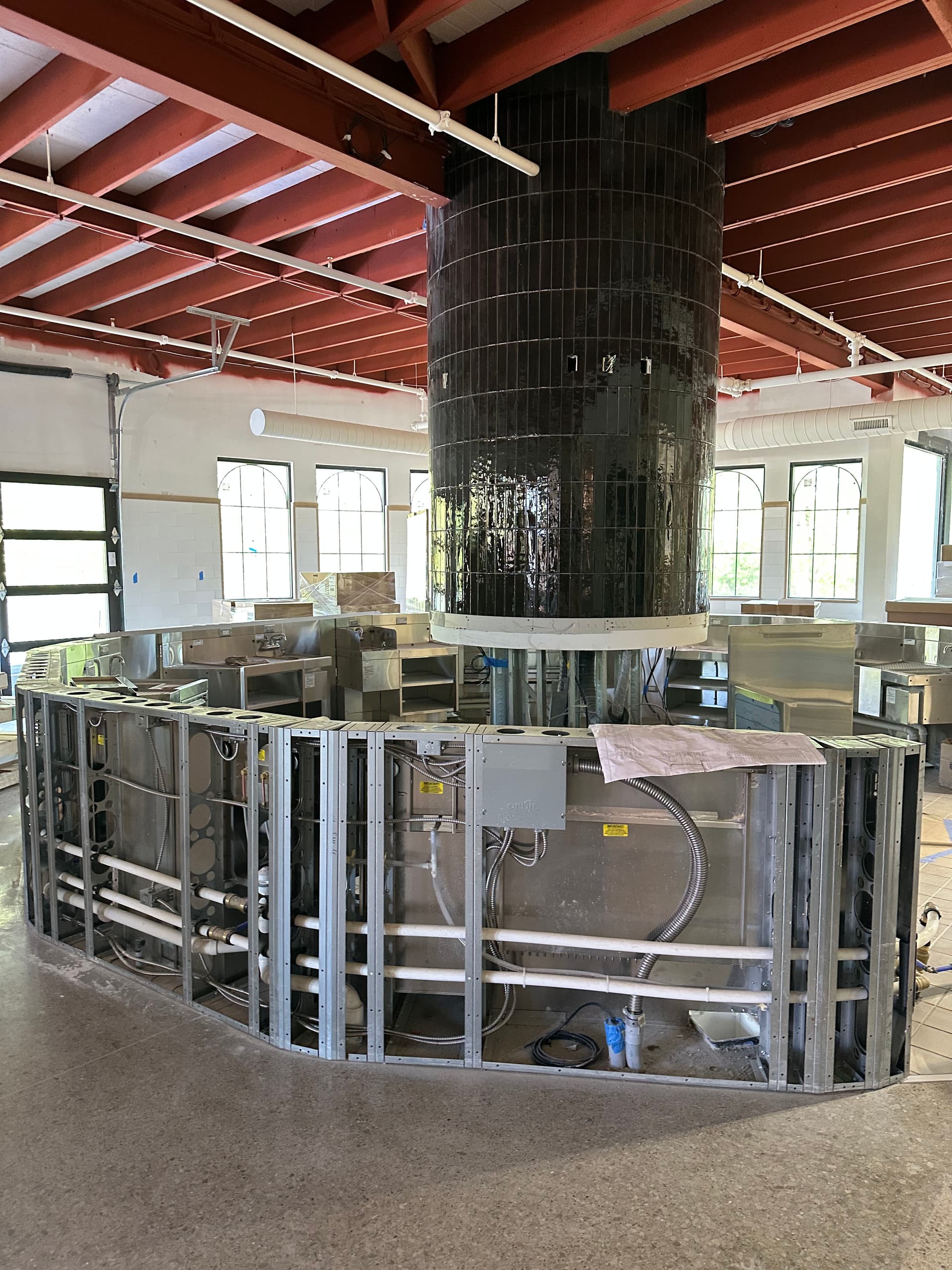
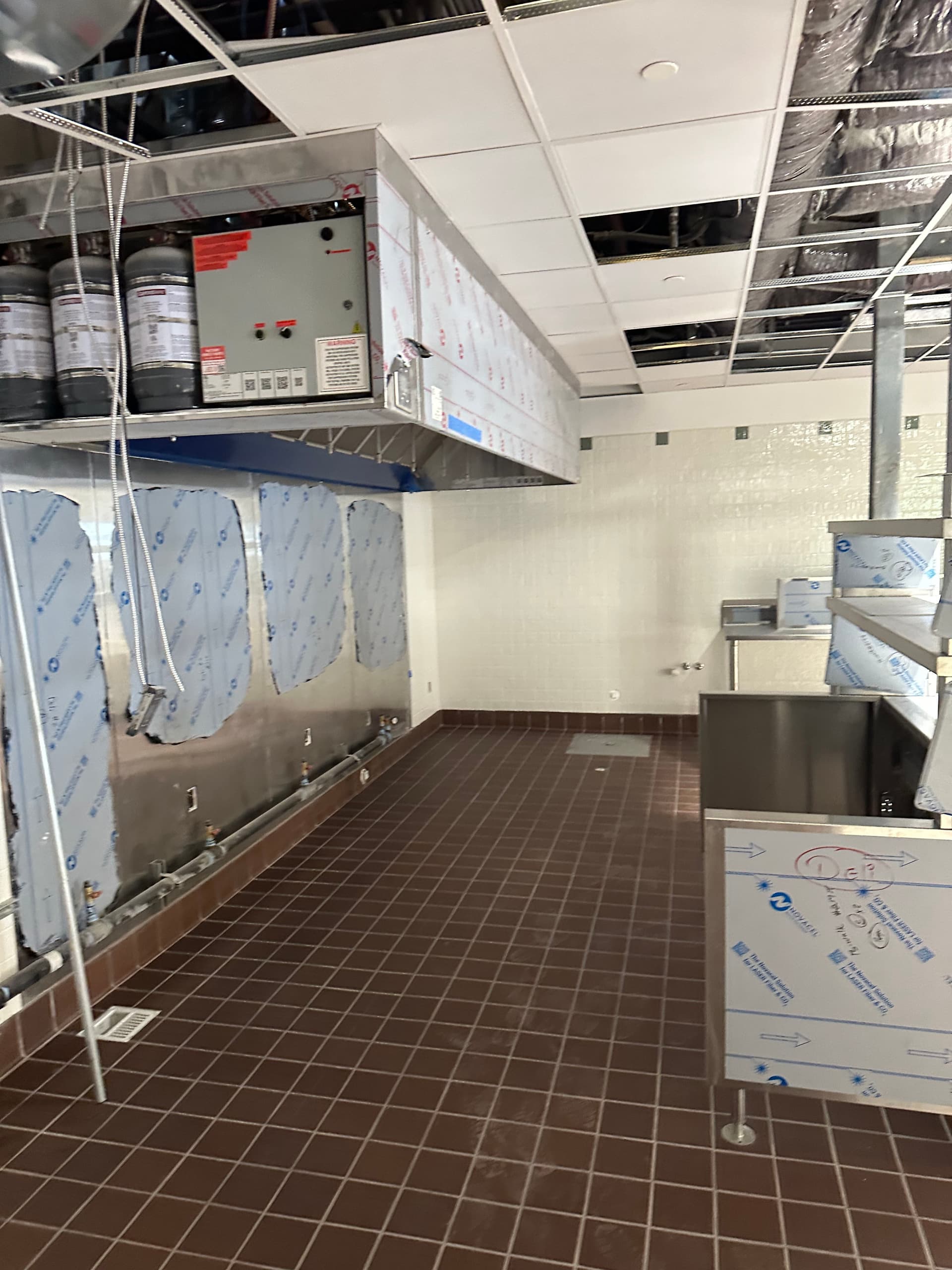
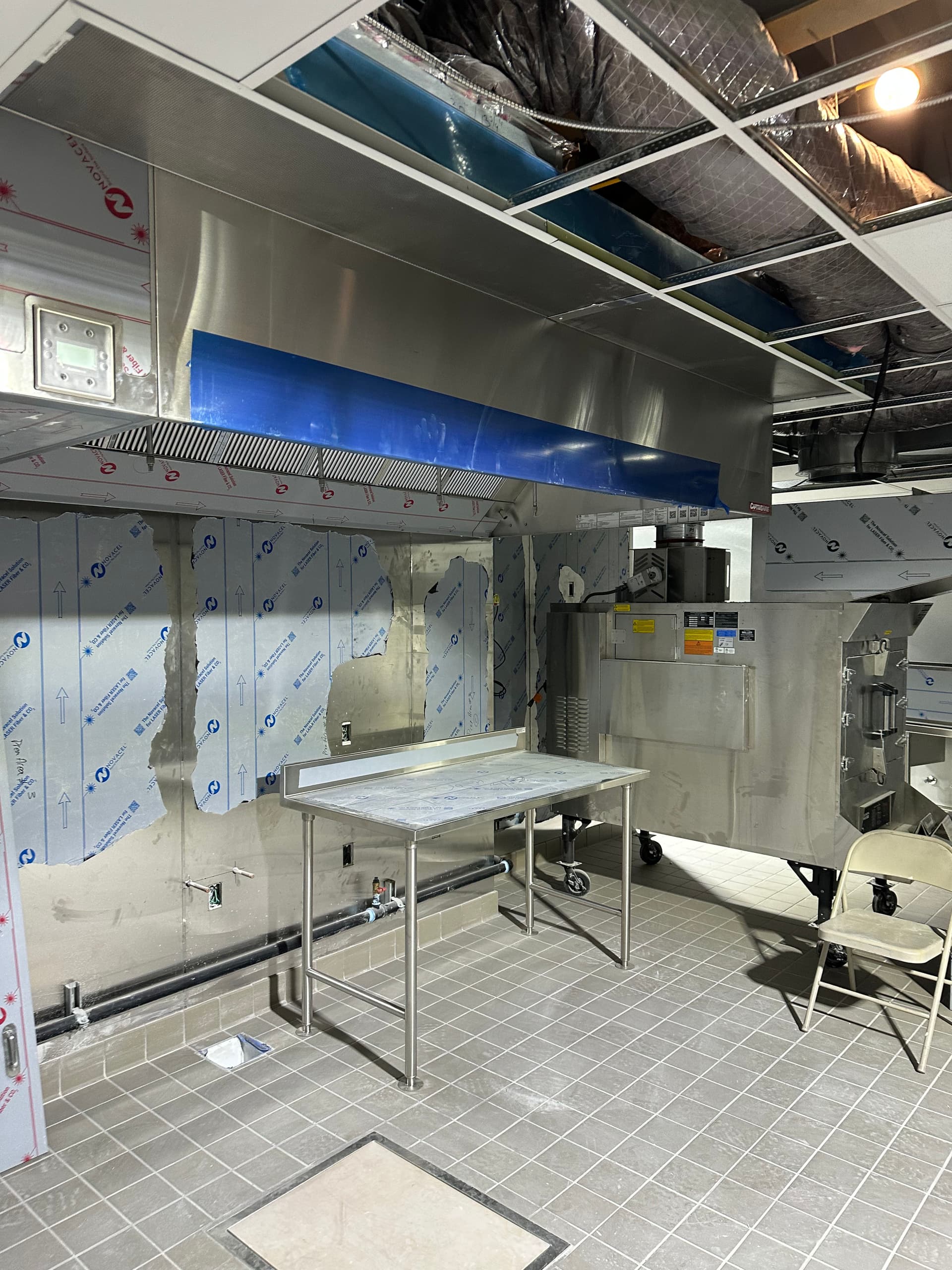
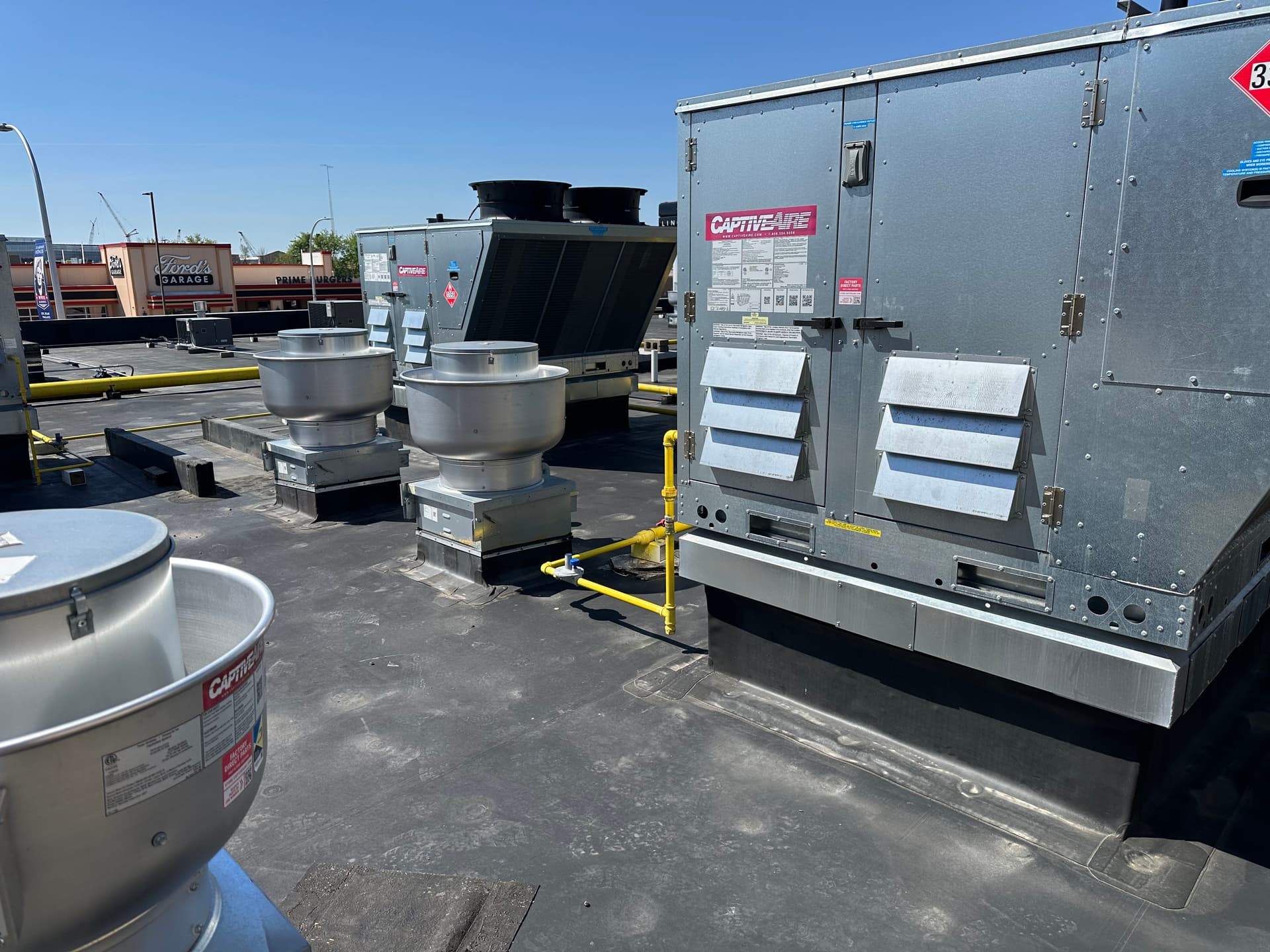
This is the kind of job where getting the electrical right isn't optional - it's everything. We're working through a full hood and makeup air fan system installation for a food court, and there's a lot happening across multiple tenant spaces. Each kitchen station has its own ventilation requirements, and every piece of that puzzle has to be electrically connected, balanced, and code-compliant before a single vendor can fire up their equipment.
The hood systems you see going in are tied directly to exhaust fans and makeup air units on the roof. Those CaptiveAire units up top - the exhaust fans and the makeup air handler - are what keep the whole system breathing properly. They pull cooking fumes out and push fresh, conditioned air back in. Without the electrical work done right, none of that functions the way it should. Incorrect wiring can cause fans to run out of spec, trip breakers, or worse - create a fire hazard in a commercial kitchen environment.
Inside each tenant space, the hoods are mounted and the control panels are wired into the system. The control panels tied to each hood manage fan speed, fire suppression interlocks, and makeup air balancing. That's not plug-and-play work. It requires careful coordination between the electrical rough-in, the equipment specs, and the mechanical layout - and we're doing all of it in a space that will eventually house multiple separate food businesses under one roof.
Food court builds are genuinely complex commercial electrical jobs. You're not wiring one kitchen - you're wiring several, each with their own load requirements, and making sure they all play nicely on a shared electrical system. That means load calculations, proper panel sizing, and running circuits that can handle the demands of commercial cooking equipment day in and day out. Our commercial electrical installation work on jobs like this is built to last, not just to pass inspection.
We take a lot of pride in doing the details right the first time. On a job this size, shortcuts in the electrical phase create expensive headaches for everyone down the line - building owners, tenants, and inspectors alike. Getting it right now means the businesses that open here can hit the ground running without worrying about their electrical system on day one.