Main Distribution Panel Maintenance Done the Right Way
A main distribution panel is the backbone of any industrial facility's power system. When it fails - or even underperforms - everything downstream feels it. That's why proper maintenance and inspection of these systems isn't optional. It's critical.
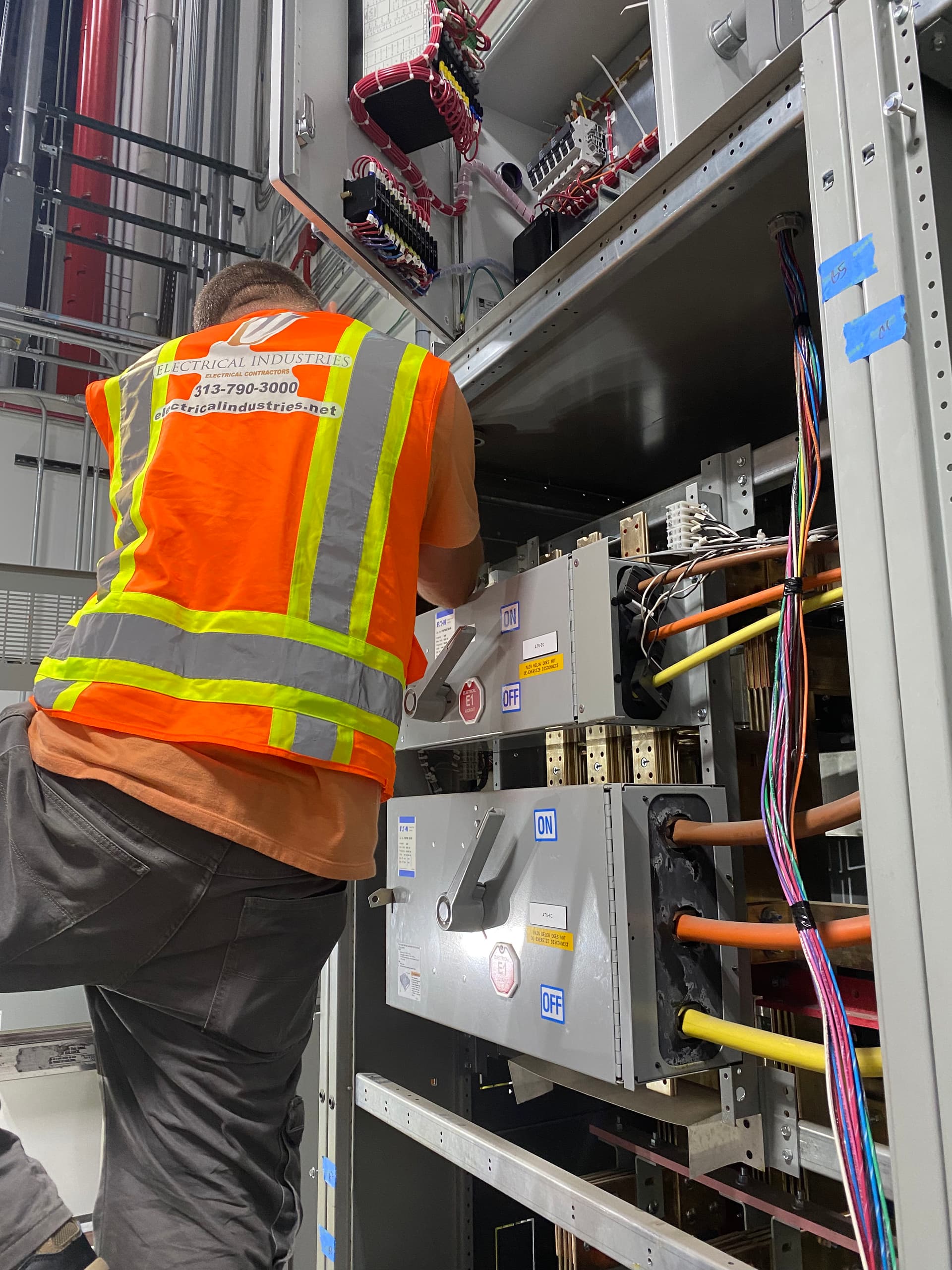
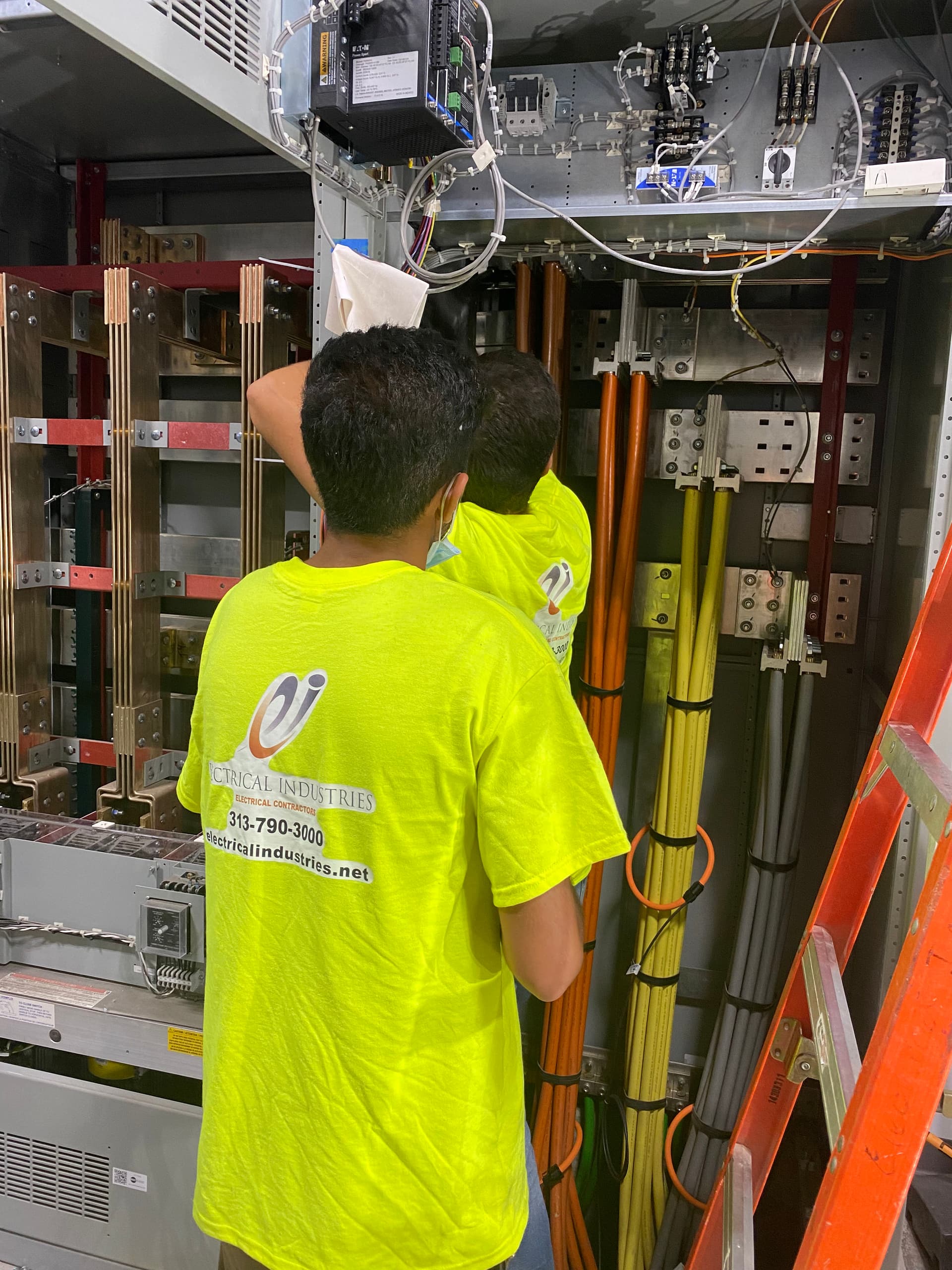
This is the kind of work we take seriously. Main distribution panel maintenance requires patience, precision, and a real understanding of how large-scale electrical systems behave under load. We're not just checking boxes. We're physically inspecting connections, verifying conductor integrity, reviewing breaker condition, and making sure every component in that enclosure is doing exactly what it's supposed to do.
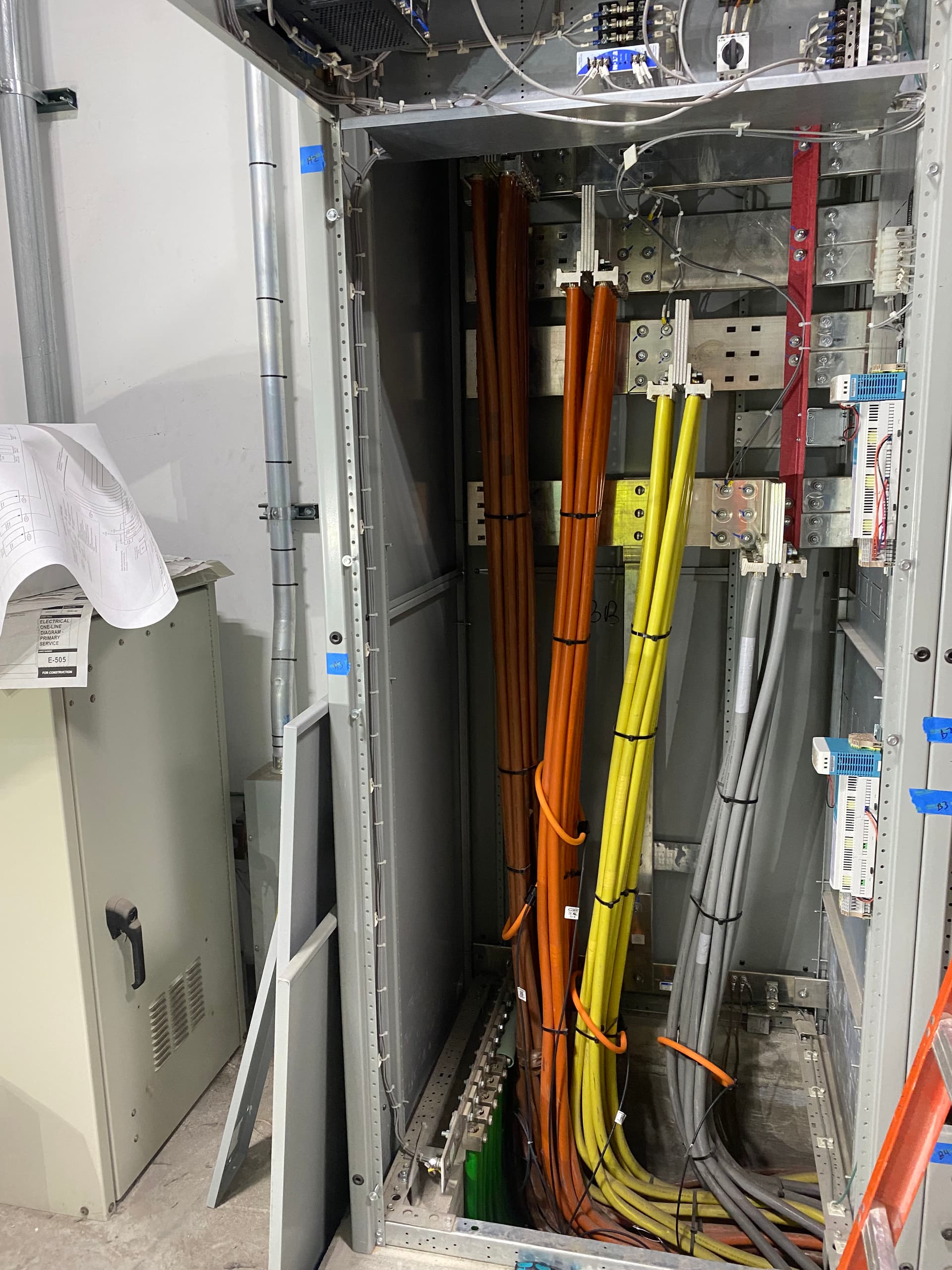
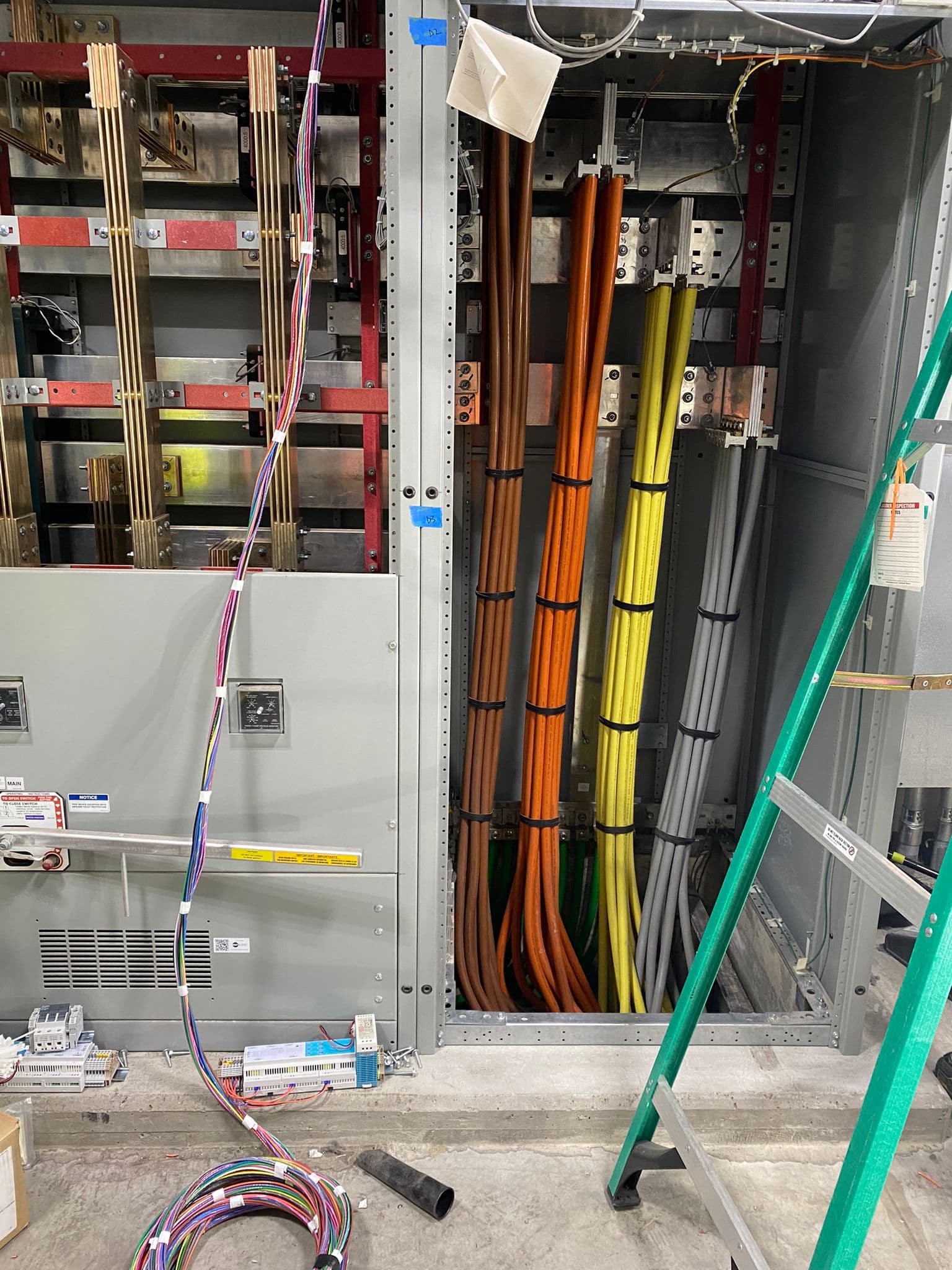
What you're looking at here is a large, multi-section distribution assembly - the type of system that feeds entire wings of a facility. Organized conductor runs, clearly labeled breaker sections, and tightly managed cable bundles all point to a system that was built and maintained with intention. Clean work like this makes future inspections faster and troubleshooting far less painful when something does need attention.
Industrial electrical installation and maintenance go hand in hand. A system installed correctly is easier to inspect, easier to service, and safer to work around. That's the standard we hold ourselves to on every job - whether we're pulling wire on a new install or running a full panel inspection on an existing system. Reliable power doesn't happen by accident.
Facilities that skip routine panel maintenance are rolling the dice. Loose connections generate heat. Heat causes failures. Failures mean downtime - and downtime in an industrial environment is expensive. Regular inspections catch problems before they become emergencies. That's the whole point.