Rigid Conduit Installation for High Voltage Switchgear in an Industrial Building
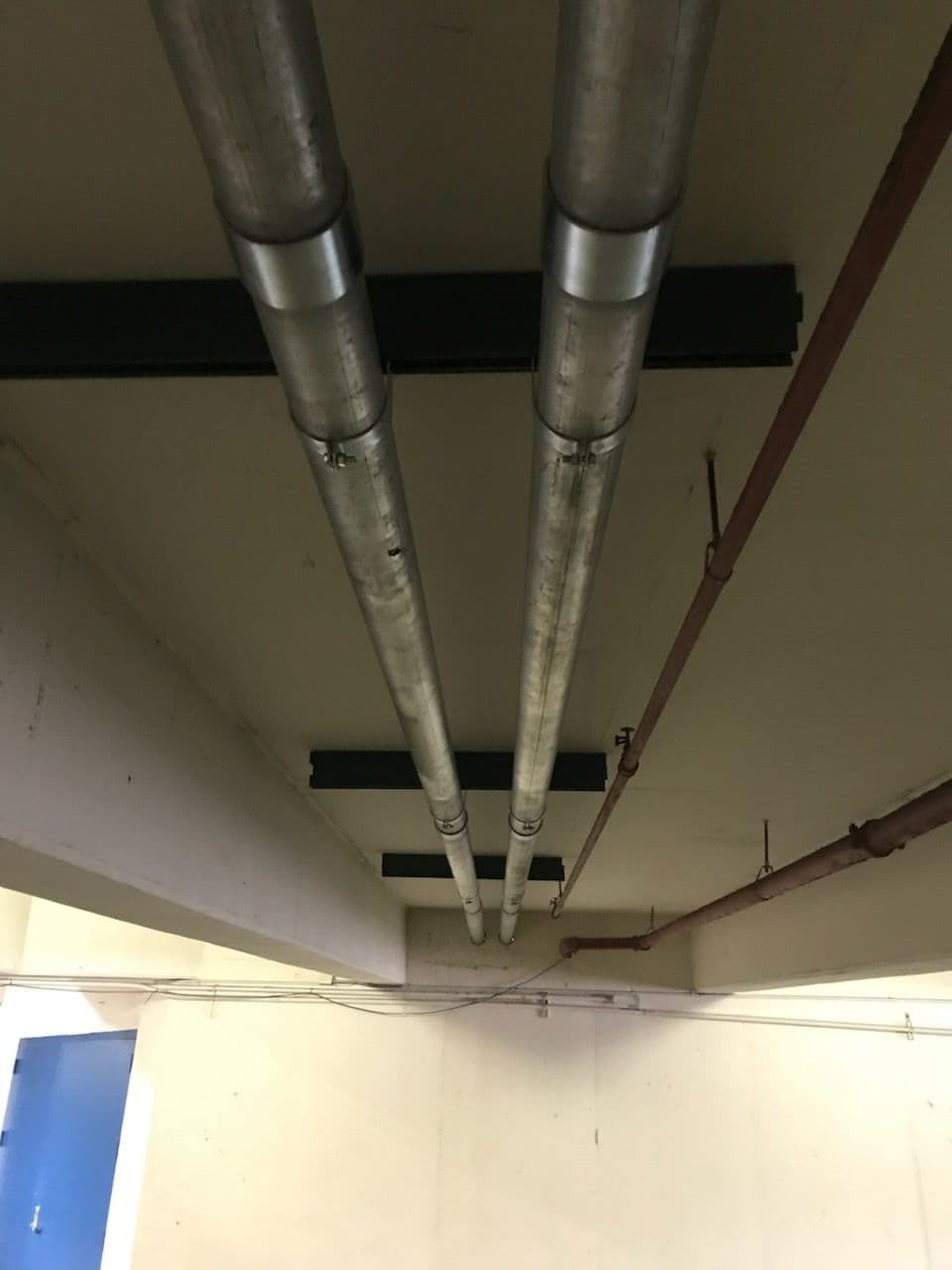
This is what high-voltage electrical work actually looks like behind the scenes. We're in the middle of a full rigid conduit installation feeding high voltage switchgear inside an industrial facility - and jobs like this don't leave any room for shortcuts.
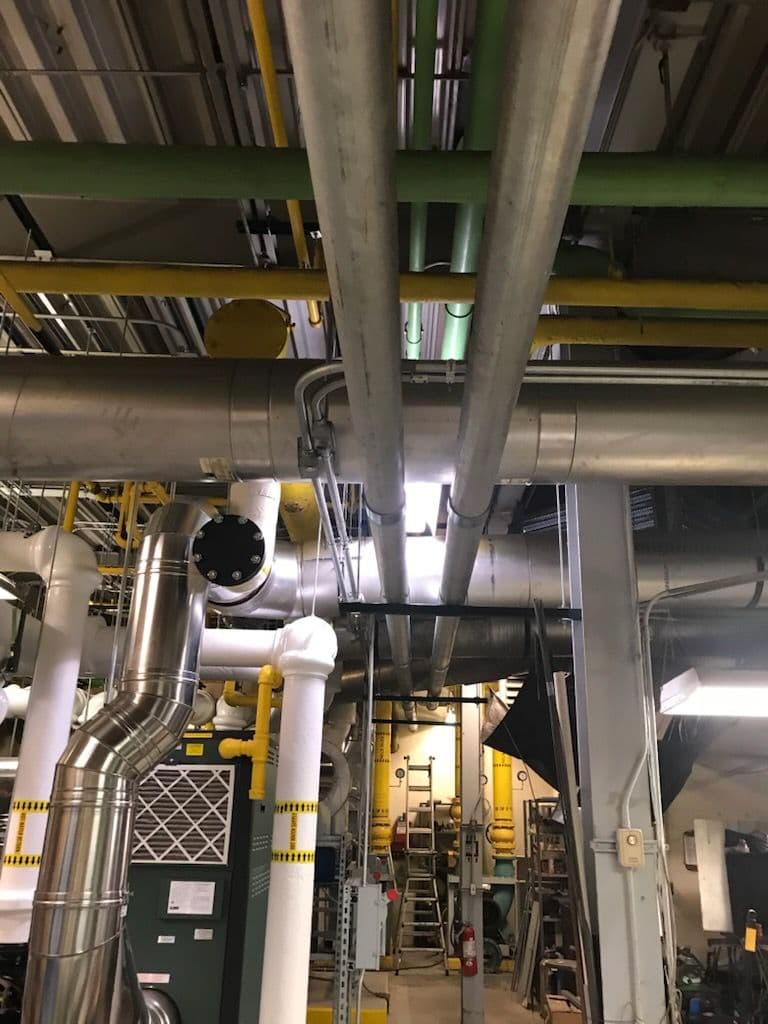
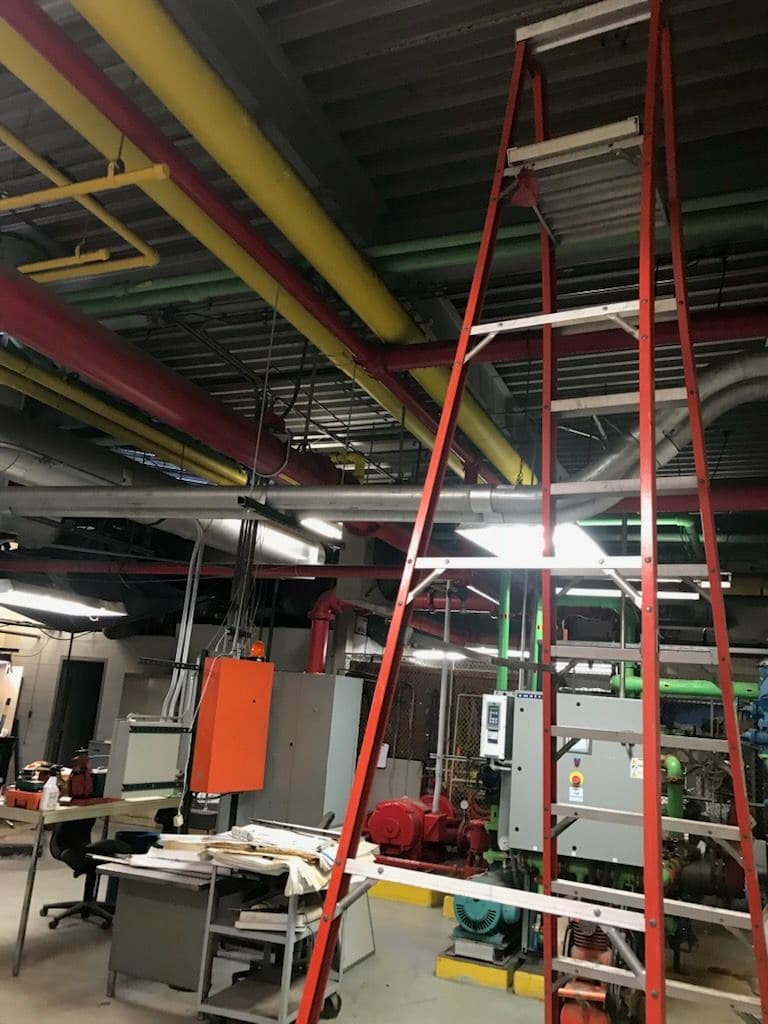
Here's what we were working with: a facility packed with complex systems running in every direction. Overhead conduit runs, mechanical systems, structural steel - all of it has to be accounted for before a single piece of pipe gets hung. Rigid metal conduit isn't the easiest to work with compared to flexible alternatives, but in high voltage applications, it's the right call. It offers serious mechanical protection for the conductors inside, and in an environment like this, that matters.
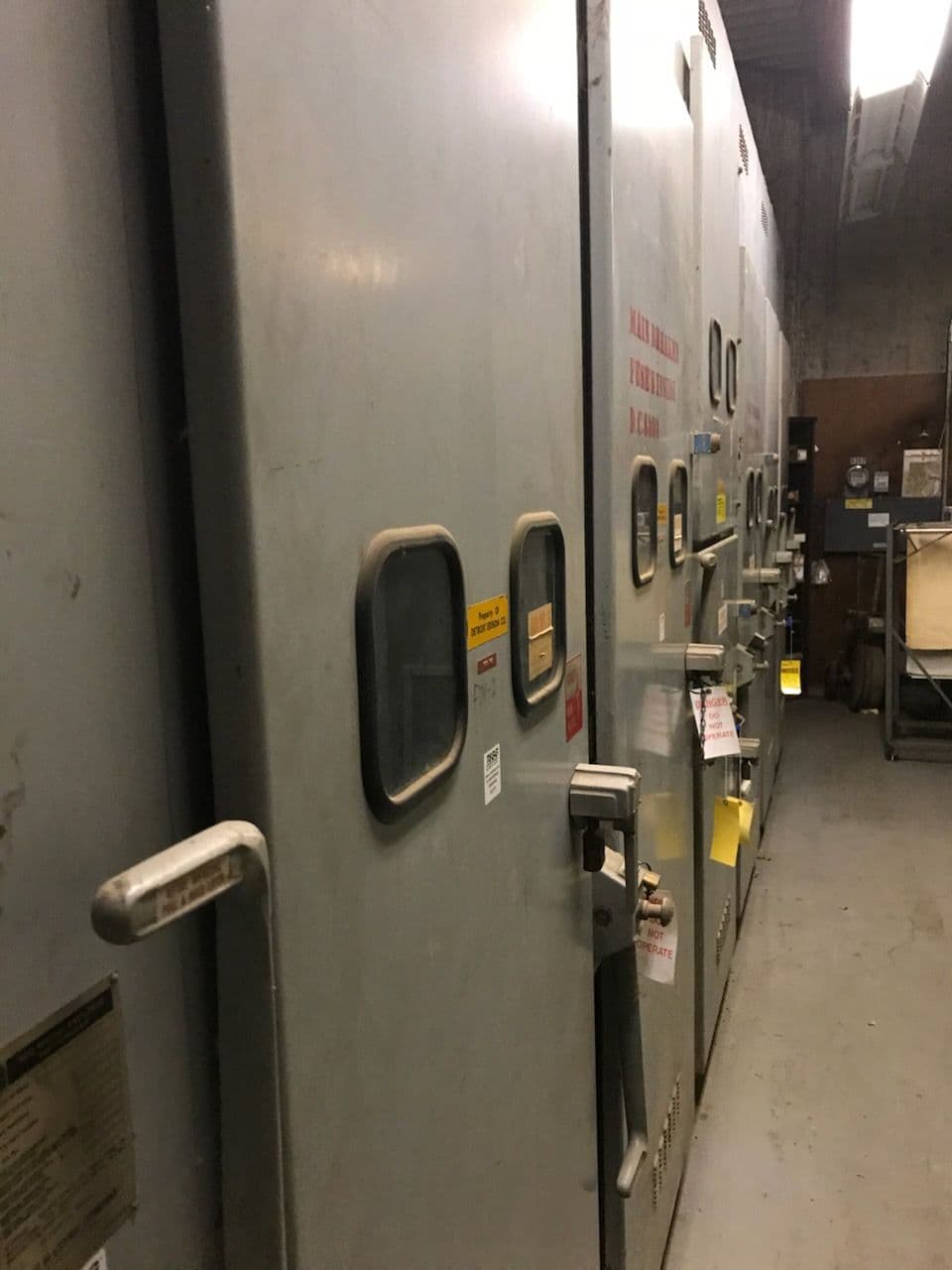
The switchgear lineup itself tells you a lot about the scale of this job. These aren't small panels. Multi-section gear like this controls and distributes power across large portions of the facility. Getting the conduit runs properly routed and secured to feed this equipment takes real coordination between the crew - measuring, bending, threading, and hanging pipe while working around everything else already installed in the space.
That's the part most people don't see. Industrial electrical installation isn't just about connecting wires. It's about planning runs, avoiding conflicts with other trades, staying within code requirements for high voltage work, and executing it cleanly so the next person who opens that panel isn't fighting a mess. We take that seriously on every job.